How to Choose Brass Lights for Your Home?

Choosing the right Brass Lights can change how a room feels, not only how it looks. Warm metal reflects soft evening light across painted walls, timber floors, and stone surfaces. Yet brass is not a single finish. Polished brass feels bright and traditional, while aged brass adds quiet character. Brushed brass usually appears softer and more forgiving in busy homes.

Begin with the room’s purpose. A kitchen often benefits from focused pendants above an island, while a bedroom may need a shaded wall light beside the bed. Check the fixture’s size against the furniture. A small light can disappear above a wide table. A large fitting may overwhelm a narrow hallway. I once chose a beautiful brass pendant that looked excellent in the showroom but felt too heavy at home. The ceiling height was the problem. Measure twice.

Light quality matters as much as appearance. For comfortable living spaces, warm bulbs around 2700K to 3000K usually create a welcoming atmosphere. A high colour-rendering index can help fabrics, food, and artwork appear more natural. Always check the fitting’s socket type, maximum wattage, and compatibility with dimmer switches. Bathrooms and outdoor areas require suitable moisture ratings. Installation should follow local electrical standards and, when needed, be completed by a qualified electrician. Brass also needs care. Some finishes age naturally, while lacquered surfaces should be cleaned gently. Do not polish blindly. Your home’s style, daily habits, and maintenance expectations should guide the final choice. Perhaps the perfect light is not the trendiest one. It is the one that still feels right after a quiet year.
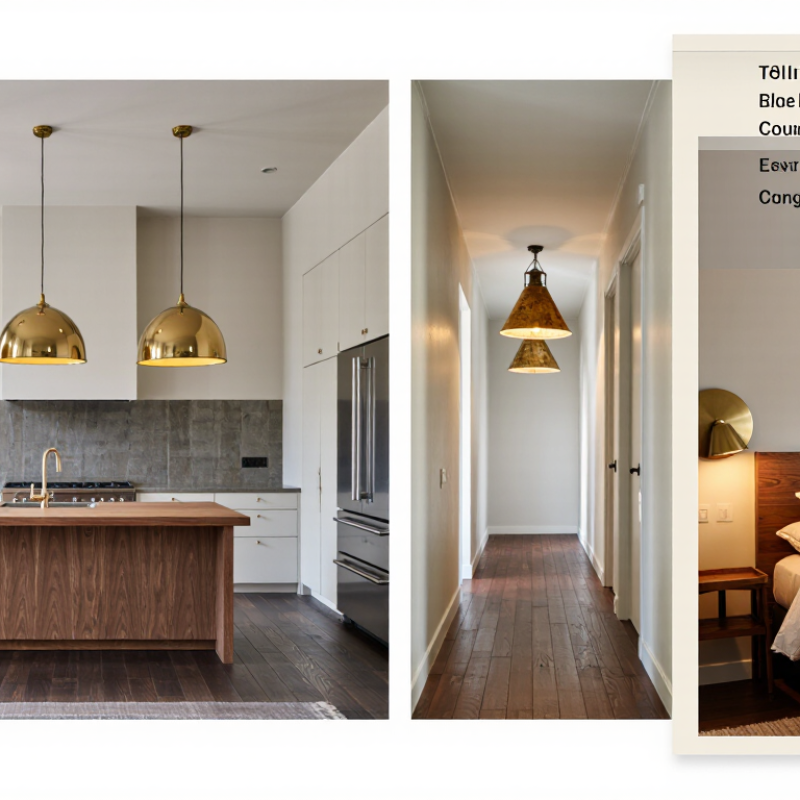
How to Choose Brass Lights for Your Home?

Define Your Lighting Needs and Room Ambience

How to Choose Brass Lights for Your Home?

Before choosing a brass light, define what the room must help you do. A kitchen needs clear task lighting, while a bedroom benefits from softer, warmer illumination. I usually assess the room at night, when daylight no longer hides weak areas. Note the work surfaces, seating positions, and corners that feel dull. Small details matter.

For general comfort, consider bulbs around 2700K to 3000K. Warmer light can make brass look richer and more inviting. In a kitchen or home office, a higher lumen output may support focused tasks. Check the color rendering index too, especially near food, artwork, or clothing. A CRI of 90 or above often shows colors more naturally. Avoid relying on appearance alone.

Brass changes character with the surrounding ambience. Polished brass reflects sharp highlights, while aged finishes create a quieter, traditional mood. I once selected a beautiful fixture that looked harsh against white walls. The problem was not the metal, but the exposed bulb and excessive brightness. A diffuser or dimmer might have helped. Check dimmer compatibility before installation. Also measure the fixture against the room, not only the catalog image. A large brass pendant can feel elegant over a dining table, but crowded above a narrow island. Test the light at different times. Your first choice may still need adjustment.

Choose the Right Brass Finish for Your Interior Style

Brass is not one color. Polished brass reflects light sharply and suits glamorous, art-deco, or high-contrast rooms. Brushed brass softens the shine and works better with oak, linen, and neutral walls. Aged brass adds darker edges, making it useful in traditional, rustic, or heritage interiors. Champagne brass feels lighter, though it can look too pale beside cream paint.

Check the finish under daylight and a 2700K lamp. The U.S. Department of Energy reports that LEDs use at least 75% less energy than incandescent lighting. They also last up to 25 times longer. That efficiency makes brass fixtures practical for kitchens, hallways, and reading corners that stay lit for hours. Still, energy performance cannot rescue the wrong tone. A yellow polished surface may clash with cool gray cabinetry.

The National Kitchen & Bath Association’s 2024 design-trends reporting continues to recognize mixed-metal interiors as a strong direction. Use one dominant brass finish, then repeat it twice. For example, pair brushed brass pendants with cabinet pulls and a mirror frame. Avoid matching every metal perfectly. Real rooms need variation. I would test a physical sample beside flooring, tile, and fabric before ordering. Screens distort color. Even samples can mislead under showroom lighting. A slightly imperfect match often feels more natural than a forced one.

Match Light Fixtures to Room Size and Ceiling Height

How to Choose Brass Lights for Your Home?

Room size should guide the scale of a brass light fixture. In a small bedroom, a compact flush mount usually feels calmer than a wide pendant. For a dining room, choose a fixture roughly half to two-thirds of the table’s width. This proportion leaves visual breathing room. Measure the room before shopping. Guesswork often creates expensive mistakes.

Ceiling height matters just as much. Standard ceilings suit flush mounts or semi-flush fixtures. They preserve headroom without making the ceiling feel crowded. In taller rooms, a pendant can add warmth and vertical interest. Hang it about 30 to 36 inches above a dining table. Over a kitchen island, keep the lowest point at least 30 inches above the work surface. Taller people may need more clearance.

Brass reflects light warmly, but its surface can look stronger in a compact room. A satin finish may feel softer than polished brass. Use matching metal details sparingly, since too much coordination can appear forced. The ideal size depends on furniture, bulb brightness, and sightlines, not measurements alone. That rule is imperfect. Stand in the room and use cardboard to test the fixture’s footprint. It may look right on paper, yet overwhelming above your table. Consider dimmable bulbs for better control during meals, cleaning, and quiet evenings.

Select Suitable Bulb Types, Brightness, and Color Temperature

How to Choose Brass Lights for Your Home?

Start with the bulb, not only the brass finish. An attractive fixture can still feel uncomfortable with the wrong light source. For everyday rooms, LED bulbs are usually practical because they use less energy and produce less heat than older incandescent options. Check the fixture’s socket size and maximum wattage before buying. A qualified electrician should inspect uncertain wiring.

Brightness is measured in lumens, not watts. A bedside brass light may need around 400 to 800 lumens, while a kitchen pendant may need 800 to 1,500 lumens. Room size, ceiling height, and shade material will change the result. Opaque glass softens light, but it can also reduce useful brightness. I once chose a dim bulb for a reading corner, and the warm glow looked beautiful but caused eye strain. That choice needed more thought.

Color temperature is measured in Kelvins. Bulbs around 2,700K create a warm, relaxed atmosphere for bedrooms and living rooms. Around 3,000K can feel cleaner while remaining comfortable in dining areas. Cooler light, such as 4,000K, may suit workspaces, but it can make brass appear less rich. Consider the color rendering index too. A CRI of 90 or higher usually shows furniture and wall colors more naturally. Dimming sounds convenient. It is not always simple. Confirm that the bulb, dimmer, and fixture are compatible before installation.

Check Quality, Installation Requirements, and Maintenance Needs

When choosing brass lights, inspect more than the surface color. Solid brass feels dense, while thin plated metal may show uneven edges near screws or joints. Check the socket, wiring, and mounting plate for clear safety markings and secure connections. A bright finish can hide weak construction.

The U.S. Department of Energy reports that LED lamps use at least 75% less energy and last up to 25 times longer than incandescent lamps. However, the fixture still needs compatible wiring, heat clearance, and a suitable dimmer. Confirm the voltage, bulb base, weight, and ceiling-box capacity before installation. Do not rely on appearance alone. NFPA’s Home Structure Fires report found electrical distribution and lighting equipment involved in about 32% of reported home structure fires between 2015 and 2019. A qualified electrician should handle uncertain wiring or new ceiling connections.

Maintenance is simple but not optional. Turn off power, then wipe brass with a soft, dry cloth every few weeks. Avoid abrasive pads and harsh chemicals, which can remove protective coatings and create dull patches. Check loose screws, flickering bulbs, darkened sockets, or brittle insulation twice a year. LED heat is lower, but enclosed fixtures can still trap warmth. I once assumed a sealed shade needed no inspection; dust had gathered around the socket. That mistake was small, but worth reconsidering. Some finishes age unevenly, and that may be acceptable if the metal remains stable.

How to Choose Brass Lights for Your Home? - Check Quality, Installation Requirements, and Maintenance Needs

General guidance for selecting and caring for brass light fixtures. Always follow local electrical regulations and the fixture manufacturer's instructions.
Selection Area What to Check Recommended Standard or Indicator Why It Matters
Brass construction Confirm whether the fixture uses solid brass, brass-plated steel, or another base metal. Solid brass is generally more resistant to corrosion and allows refinishing; plated products require careful handling to protect the surface layer. The base material affects durability, weight, corrosion resistance, and long-term appearance.
Material thickness and build Inspect seams, joints, sockets, shade holders, mounting plates, and cable strain reliefs. Look for rigid components, secure joints, smooth edges, and a stable mounting plate without visible flexing. A well-built fixture is less likely to loosen, vibrate, deform, or create installation problems.
Finish quality Check for an even color, consistent sheen, clean edges, and complete coverage around openings and hardware. A protective lacquer or clear coating can slow tarnishing; untreated brass will naturally darken and develop patina. The finish determines whether the fixture keeps a uniform appearance or changes character over time.
Electrical rating Review the voltage, maximum wattage, socket type, grounding arrangement, and bulb compatibility. The fixture rating must match the home's electrical supply and the selected lamp. LED bulbs usually produce less heat than incandescent bulbs. Correct ratings reduce overheating, premature failure, and electrical safety risks.
Mounting surface Identify whether the light will be installed on a ceiling, wall, mirror, cabinet, or exposed structure. The junction box, anchors, screws, and support must be suitable for the fixture's weight and the mounting surface. Proper support prevents movement, sagging, damage to the wall or ceiling, and unsafe wiring connections.
Installation difficulty Consider fixture weight, number of parts, ceiling height, wiring access, and whether a new junction box is needed. Use a qualified electrician when wiring is new, the box is damaged, grounding is uncertain, or the fixture is heavy or difficult to access. Professional installation helps ensure secure mounting and code-compliant electrical connections.
Bathroom or damp-area use Check the fixture's location rating and the bathroom's wet-zone requirements before purchase. Use only fixtures specifically rated for damp or wet locations where required by local regulations. Moisture can accelerate corrosion and increase the risk of electrical shock or fixture failure.
Light output and color Compare lumens, color temperature, beam direction, shade opacity, and dimmer compatibility. Warm white LEDs around 2700–3000 K commonly create a comfortable residential atmosphere; choose higher output for task areas. Brass can look different under warm or cool light, so illumination affects both comfort and finish appearance.
Routine cleaning Remove dust with a soft, dry microfiber cloth and wipe fingerprints with a slightly damp cloth. Turn off power and allow the fixture to cool before cleaning; dry the surface afterward. Gentle cleaning protects the finish and reduces buildup without introducing moisture into electrical parts.
Cleaning products to avoid Avoid abrasive pads, steel wool, bleach, ammonia, strong solvents, and unapproved metal polish. Use only a product confirmed as safe for the specific finish, especially when the brass is lacquered or plated. Harsh chemicals and abrasives can scratch the coating, remove lacquer, or create uneven discoloration.
Long-term maintenance Check screws, shades, bulbs, mounting hardware, and visible wiring periodically. Retighten loose non-electrical hardware carefully and replace damaged cords, sockets, or coatings through a qualified professional. Regular inspection helps identify wear before it becomes a safety or structural issue.
Go to Top