How to Choose the Right Disconnect Switch for Your Needs?
Choosing the right disconnect switches is crucial for safe electrical systems. With a global electrical equipment market expected to reach $100 billion by 2026, the importance of reliable disconnect switches cannot be overstated. A report by Grand View Research indicates that disconnect switches play a critical role in preventing electrical faults. Proper selection ensures safety, compliance, and efficiency.
In various industrial applications, these switches safeguard equipment from overloads. A poorly chosen disconnect switch can result in failures, leading to costly downtimes. According to the Electrical Safety Foundation International, improper equipment can cause serious accidents. With a wealth of brands and specifications, navigating the options can be overwhelming.
Consider the power requirements and application specifics. The right disconnect switch must meet the demand without compromise. It's a balance of technical specifications and practical use. Reflecting on the choices available may lead to reconsideration. Selecting the best option is not just a task; it’s a responsibility.
Understanding the Functionality of Disconnect Switches in Electrical Systems
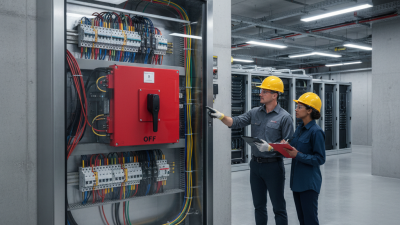
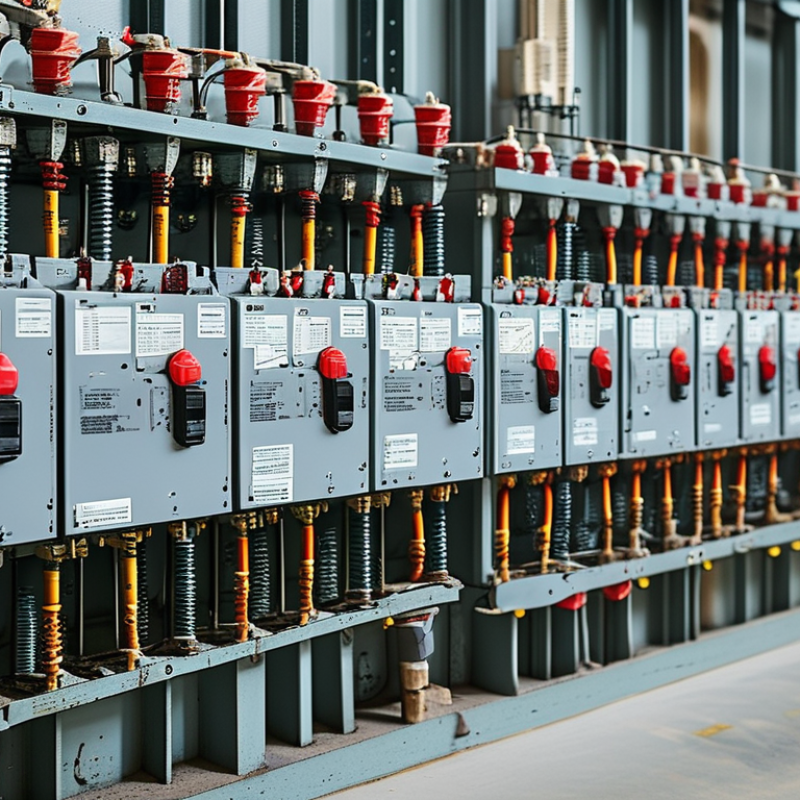
Disconnect switches play a vital role in electrical systems. They are essential for isolating circuits, ensuring safety during maintenance. Knowing how they function helps in making informed decisions. A disconnect switch allows for the manual shutting off of power. This is crucial when working on equipment, as it prevents accidental energization.
When selecting a disconnect switch, consider several factors. The voltage rating is important. It should match your system's requirements. Also, think about the physical environment. Outdoor installations may need weatherproof designs. Choose a switch that meets your specific conditions for reliability.
Reflecting on proper usage is key. Sometimes, operators may overlook regular inspections. This can lead to issues, such as corrosion or misalignment. Understanding these aspects ensures the switch’s longevity and effectiveness. Keep in mind the importance of documentation during installation. It can help in troubleshooting and maintenance down the line.
Evaluating the Key Specifications for Selecting Disconnect Switches
Choosing the right disconnect switch involves careful evaluation of key specifications. These switches are essential in electrical systems for safe isolation from power sources. When assessing options, start with the voltage rating. Ensure it matches the circuit's requirements. A mismatch can lead to equipment failure or safety hazards.
Another critical specification is the current rating. This determines the switch's ability to handle electrical loads without overheating. Overloading the switch can cause damage and pose significant risks. Pay attention to the type of enclosure as well. For outdoor installations, weather-proof designs are vital. Indoor switches may require different considerations, such as dust protection.
Consider the mounting style too. Some switches are panel-mounted while others are designed for surface mounting. Depending on your layout, one may be more suitable. Reflect on installation and maintenance needs, as more accessible designs can simplify future servicing. Ultimately, assess your specific requirements to find a disconnect switch that effectively meets your needs.
Comparing Different Types of Disconnect Switches: A Comprehensive Overview
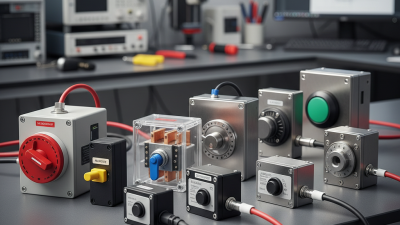
When selecting a disconnect switch, it's essential to understand the different types available. There are manual, motor-operated, and rotary disconnect switches. Each has unique features suited for specific applications. Manual switches require human operation, providing direct control. They are simple and reliable, but can be slower in emergencies. Motor-operated switches offer remote operation and can handle higher loads.
Rotary disconnect switches are versatile, ideal for varied environments. They can be easily mounted and allow for quick disconnection in emergencies. However, they may not provide as robust a solution in certain industrial settings. The choice often depends on the electrical load, installation space, and safety requirements. Assessing these factors is crucial for optimal performance.
Think about the installation environment too. Some switches handle harsh conditions better. It's important to understand the operational dynamics of your system. What may work for one may not suit another. Regular evaluation is necessary. Understanding these nuances helps in making an informed choice, aligning with safety standards and operational reliability.
Assessing Voltage and Current Ratings for Optimal Disconnect Switch Performance
Selecting the right disconnect switch involves careful analysis of voltage and current ratings. These ratings determine how effectively the switch can handle electrical loads. Each application has unique requirements, and understanding them is crucial. A switch rated for 240 volts cannot safely operate a device requiring 480 volts. This mismatch can lead to system failures or safety hazards.
Current ratings are equally important. Overrating the switch can result in inefficient operation. Underestimating can lead to overheating. It's vital to refer to detailed specifications when making a selection. However, not all users will appreciate the nuances in these ratings. Some might overlook the importance of matching the switch correctly with the circuit.
Potential issues arise if the switch's ratings are ignored. For example, frequent tripping may indicate an inadequate current rating. This signifies a need for reevaluation. A disconnect switch should provide reliable service over its lifespan. Ensuring the right match not only enhances performance but also promotes safety. Testing and feedback from real applications can help improve future selections.
Industry Standards and Certifications Impacting Disconnect Switch Selection
When selecting a disconnect switch, understanding relevant industry standards is crucial. Standards like IEC 60947 and UL 508 offer guidelines that ensure safety and performance. These certifications assure users that the switches have been rigorously tested. Compliance with such standards can significantly impact reliability in various applications.
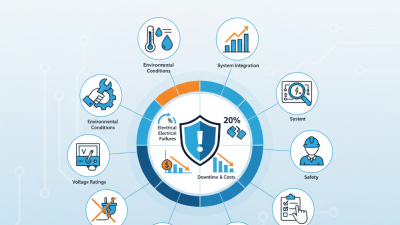
It's essential to consider how these certifications translate to real-world scenarios. For example, the absence of a proper rating could lead to equipment failure. Many reports suggest that improper switch selection accounts for 30% of electrical failures. Therefore, understanding these parameters not only aids in safety but also enhances operational efficiency.
Tips for choosing the right switch include reviewing the operational environment and load requirements. Ensure the switch's ratings match the intended application's voltage and current. Additionally, consider the ease of maintenance. A disconnect switch should be readily accessible. Unplanned downtime can lead to costly repairs. Remember, selecting a compliant product ultimately reflects on your commitment to safety and reliability in the workplace.
 Skip to content