What is Electric Power Distribution and How Does It Work?
Electric power distribution plays a vital role in modern society. It is the final stage in delivering electricity from power plants to consumers. According to the U.S. Energy Information Administration, about 60% of the electricity generated in the U.S. is distributed through extensive networks. These networks connect high-voltage transmission systems to end-users, ensuring reliable service.
The complexity of electric power distribution often goes unnoticed. Power grids consist of various components, including substations and transformers. These elements work together to step down voltage for safe use in homes and businesses. However, outdated infrastructure can lead to inefficiencies. In 2020, the American Society of Civil Engineers rated the electrical infrastructure a "D+" due to these challenges.
Furthermore, the rise of renewable sources adds more complexities. Distributed generation can strain existing distribution networks. Smart grids are emerging as solutions, enhancing efficiency and reliability. Yet, there is still much work to do to modernize systems and address vulnerabilities in the electric power distribution landscape.
What is Electric Power Distribution?
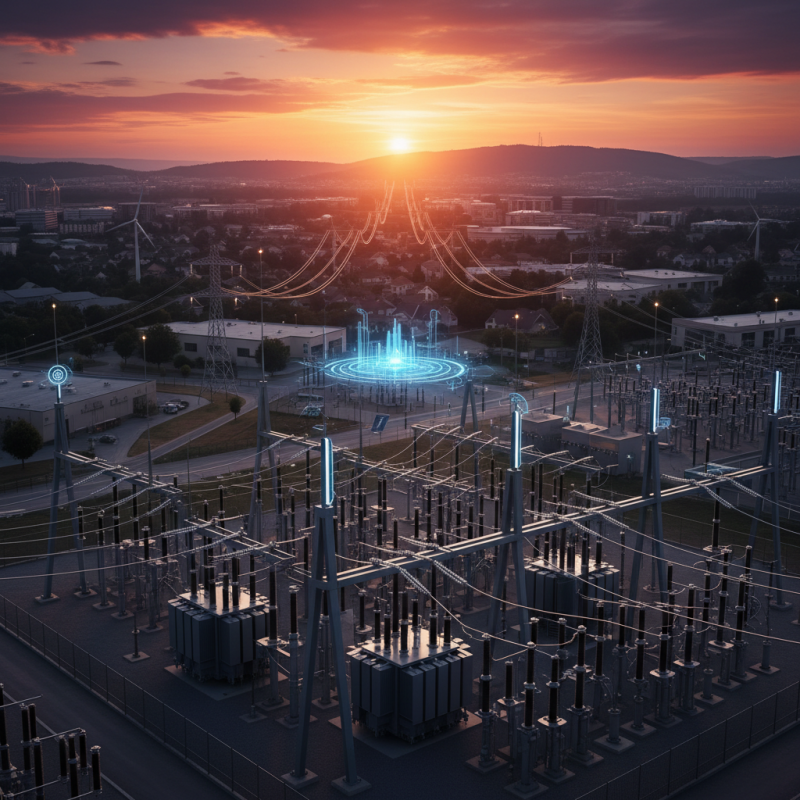
Electric power distribution refers to the final stage of electricity delivery. This process takes electricity from transmission lines and distributes it to homes and businesses. It is a crucial part of the power grid. According to the U.S. Energy Information Administration (EIA), about 75% of the electricity generated is transmitted through high-voltage lines before reaching distribution networks.
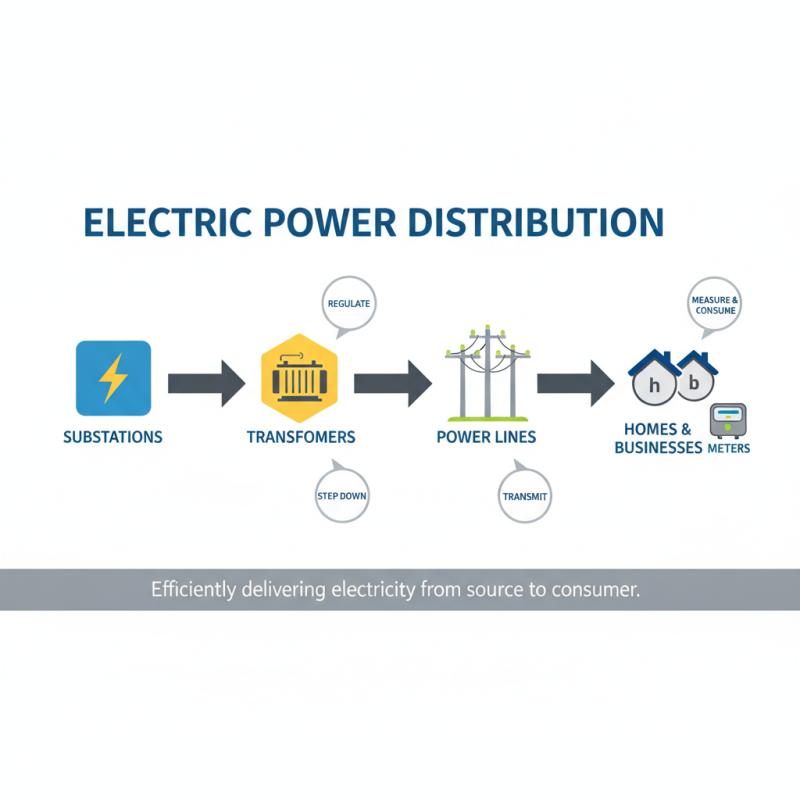
The distribution system consists of substations, transformers, and power lines. Substations lower the voltage so that it is safe for consumer use. This whole process is essential for our daily lives. However, it is not without challenges. Aging infrastructure can lead to inefficiencies and outages. Reports suggest that nearly 70% of American electrical distribution lines are over 25 years old. This reality calls for investment and innovation.
Tip: Regularly check for updates on local power initiatives. Many regions are moving toward smarter systems. Users can contribute to energy efficiency by reducing peak usage times. Small changes can significantly impact overall distribution efficiency.
Electric Power Distribution System Efficiency
This chart illustrates the efficiency of different components in an electric power distribution system. The data represents the percentage of energy retained after transmission through various stages of the distribution system, highlighting the impact of losses and efficiency improvements.
Components of Electric Power Distribution Systems
Electric power distribution is a crucial process in bringing electricity to homes and businesses. This system consists of various components that work together to ensure efficient delivery. A well-designed distribution system includes substations, transformers, power lines, and meters. Each component serves a specific purpose in the overall operation.
Substations act as hubs in the distribution network. They convert high-voltage electricity into lower-voltage levels suitable for local distribution. Transformers are essential for this voltage change. They reduce the voltage so that it can be safely transmitted through power lines. However, not all transformers function perfectly. Some may experience inefficiencies, leading to energy losses.
Power lines carry electricity over long distances. They can be above or below ground. Each type has its pros and cons. Above-ground lines are easier to access but are vulnerable to weather conditions. Underground lines are more reliable but costly to install. Meters measure electricity usage, providing data for billing. Yet, outdated meters may lead to inaccurate readings. Optimizing these systems can improve reliability and efficiency, but challenges remain.
How Electric Power is Transmitted to Homes and Businesses
Electric power transmission is crucial for modern life. This intricate process begins at generating stations. Here, electricity is created from various energy sources. After generation, the electricity travels through high-voltage transmission lines. These lines carry power over long distances. They reduce energy loss by operating at high voltages.
Once the electricity reaches a local substation, it undergoes voltage reduction. The substation converts high-voltage power to a lower voltage suitable for homes and businesses. Afterward, distribution lines carry electricity into neighborhoods. This helps ensure that every home and business receives power efficiently. The transformation is critical for daily life.
Tips for users:
Monitor your energy usage. Turn off appliances when not in use. This helps reduce waste. Additionally, consider using energy-efficient devices. Small changes make a big difference. Reflect on your consumption habits. Are there places where you're using more power than needed? Evaluating your usage can lead to better energy practices.
Key Technologies Used in Power Distribution Networks
Electric power distribution is crucial for delivering electricity to homes and businesses. Several key technologies enable this process. One core component is the transformer. It steps down high voltage electricity for safe use. Without transformers, high voltages could be dangerous.
Another essential technology is smart grids. These systems enhance efficiency in power distribution. They provide real-time data on energy usage. This aids in balancing loads and preventing outages. However, implementing smart grids can be complex and costly. Many regions still rely on traditional grids.
Tips: Consider energy storage solutions. They help manage peak demand and allow renewable energy integration. Regular maintenance of distribution lines and equipment is vital. This prevents failures that could disrupt service. Remember, while technology improves distribution, human oversight remains key.
What is Electric Power Distribution and How Does It Work? - Key Technologies Used in Power Distribution Networks
| Dimension |
Description |
Key Technology |
| Voltage Regulation |
Maintaining the voltage levels within specified limits. |
Transformers, Capacitor Banks |
| Load Management |
Distributing power to meet the demand of users. |
Smart Grid Technologies |
| Fault Detection |
Identifying and isolating faults in the network. |
Relay Protection Systems |
| Data Communication |
Transmitting information between components for monitoring. |
SCADA Systems |
| Renewable Integration |
Incorporating renewable energy sources into the grid. |
Inverters, Energy Management Systems |
Challenges and Innovations in Electric Power Distribution
Electric power distribution plays a crucial role in delivering energy to homes and businesses. However, this system faces several challenges. Aging infrastructure is a significant issue. Many power lines and substations have not been updated in decades. Consequently, they are vulnerable to outages and failures. Extreme weather events often exacerbate these problems. For instance, storms can damage power lines, leaving communities in the dark for extended periods.
Innovation is key to overcoming these hurdles. Smart grid technology is reshaping how electricity is managed. It allows for real-time monitoring and rapid response to disruptions. This can improve efficiency and reliability. Automated systems quickly address faults, reducing downtime. Nonetheless, the integration of new technologies is not without its own challenges. Training staff to manage advanced systems is essential. Moreover, cybersecurity threats pose risks to these smart systems.
Communities need solutions that are both sustainable and resilient. Energy storage technologies are emerging as potential game-changers. They help store excess power for later use. However, the costs and complexity of new systems can be daunting. There is still much to learn as we navigate this evolving landscape. The future of electric power distribution will depend on innovation and the ability to adapt.
 Skip to content