Best Electrical Wiring Tips You Need to Know?
When it comes to electrical wiring, expertise is paramount. Renowned electrician Thomas Hale states, "Safety in electrical wiring is not optional—it's essential." This highlights the importance of understanding the intricacies of electrical systems. Wiring is not just about connecting cables; it's about ensuring safety and efficiency.
Many homeowners attempt to tackle electrical wiring themselves. Mistakes can lead to hazardous situations. For instance, improper connections can cause short circuits. This risk is particularly prevalent in outdated homes. Therefore, having proper knowledge is crucial.
Electrical wiring can seem daunting, yet with the right tips, it becomes manageable. Learning how to wire safely ensures both functionality and peace of mind. Identifying common pitfalls early on is valuable. Keep in mind that each project offers a chance to reflect and improve.
Essential Tools for Electrical Wiring Projects
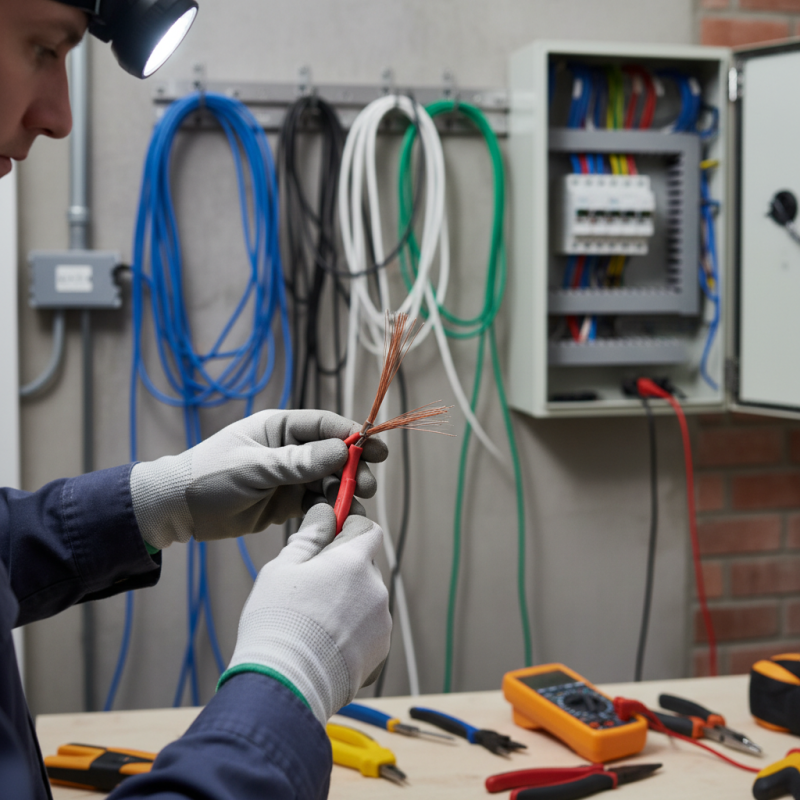
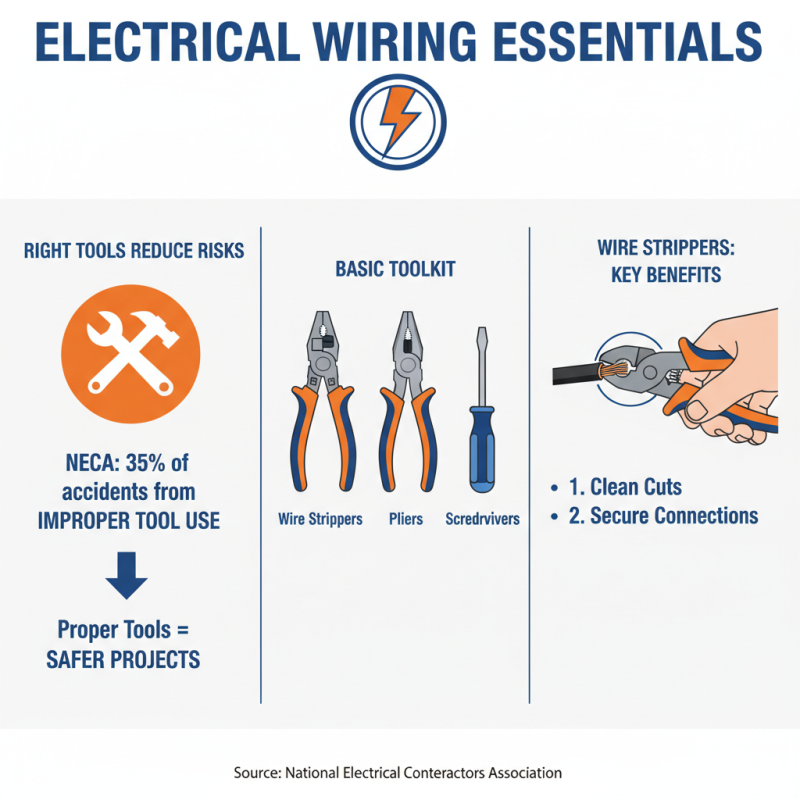
When embarking on electrical wiring projects, having the right tools is essential. Basic tools include wire strippers, pliers, and screwdrivers. According to the National Electrical Contractors Association, 35% of accidents stem from improper tool use. Proper tools reduce this risk significantly. A good-quality wire stripper makes a noticeable difference. It provides clean cuts, ensuring connections are secure.
More specialized tools might be necessary for complex tasks. A multimeter, for example, allows for voltage testing. This tool can help avoid potentially dangerous mistakes. The Electrical Safety Foundation International notes that 40% of home electrical fires are due to faulty wiring. Checking your work with a multimeter helps catch issues early.
Safety gear also plays a crucial role. Insulated gloves and goggles protect against shocks and debris. Many DIYers underestimate the importance of safety equipment. Neglecting this can lead to accidents that could have been prevented. Always prioritize safety, even for small projects. It only takes one small oversight to lead to larger issues later on.
Understanding Electrical Wiring Basics and Safety Guidelines
Understanding electrical wiring can be daunting for many. Proper safety guidelines are essential for anyone working with wires. Always remember, the risk of electric shock is real. Before starting any project, ensure that the power is turned off. Double-check all circuit breakers. Using insulated tools reduces risk, but they are not foolproof.
When laying wires, avoid tight bends. This can cause wear and lead to shorts. Color coding helps identify connections. However, not everyone pays attention to this detail. Ensure you have a clear layout plan before you begin. Inadequately marking wires can create confusion later. It is a small step that often gets overlooked.
Always adhere to local codes and regulations. Some may not be explicit, leading to misinterpretations. Questions about grounding or circuit capacity are common. Don't hesitate to seek advice or refer to reliable resources. Each wiring project helps you learn more, but mistakes can be costly. Take note of each error, and strive for improvement.
Best Electrical Wiring Tips You Need to Know
This chart displays the importance of various electrical wiring tips based on a scale of 1 to 10. Understanding these tips can enhance safety and efficiency in electrical wiring projects.
Step-by-Step Guide to Planning Your Electrical Layout
When planning your electrical layout, start with a clear diagram. Visualizing the space helps identify how many outlets and fixtures you need. Use graph paper or an online tool to create your layout. Think about the placement of furniture, appliances, and light sources. Each of these will impact your wiring needs.
Consider common areas first. Living rooms and kitchens often require multiple outlets. Don't overlook the garage or basement. These spaces can be easy to forget but may need power too. Plan for your future. You might want to add devices later. This foresight saves you from rewiring later.
Wiring height is also crucial. Standard outlets sit around 15-18 inches from the floor. Yet, overhead lighting should be at least 7 feet high. These standards can vary, and it’s good to check them before installation. Remember, mistakes happen. You might miscalculate or overlook a critical aspect. Keep your plans flexible, and don’t hesitate to make adjustments as needed.
Common Mistakes to Avoid in Electrical Wiring
When working on electrical wiring, avoiding common mistakes is crucial. One major error is circuit overloading. Many people underestimate the power demand of their appliances. Overloaded circuits can cause shorts and fires. Monitor your appliance usage closely.
Another frequent mistake is poor wire connections. Loose connections lead to overheating and power loss. Make sure to strip wires properly and use secure connectors. Test the connection after completing the work. This helps to ensure safety.
Labeling is often overlooked. Failing to label wires can create confusion in the future. Take time to clearly mark each wire and its purpose. It will save time and frustration later. Remember, meticulousness can prevent accidents. Always double-check your work for peace of mind.
Best Electrical Wiring Tips You Need to Know? - Common Mistakes to Avoid in Electrical Wiring
| Tip |
Common Mistake |
Consequence |
| Use the Right Wire Gauge |
Using a Wire Gauge That is Too Small |
Overheating, Fire Hazard |
| Label Your Wires |
Failing to Label Wires |
Confusion During Maintenance |
| Ensure Connections Are Tight |
Loose Connections |
Voltage Drop, Potential Arcing |
| Use Junction Boxes |
Not Using Junction Boxes |
Increased Risk of Short Circuits |
| Check Local Codes |
Ignoring Local Electrical Codes |
Legal Issues, Safety Hazards |
| Use GFCI Outlets in Wet Areas |
Installing Standard Outlets in Bathrooms |
Shock Hazards |
Maintenance Tips for Long-Lasting Electrical Systems
Maintaining an electrical system is crucial for safety and efficiency. Regular inspections should become routine. Check wires for any signs of wear or damage. Look for frayed insulation or exposed conductors. These issues can lead to serious hazards, including fires. It’s easy to overlook small problems until they become larger, costlier ones.
Cleaning your electrical outlets and switches is another simple yet effective maintenance tip. Dust and grime can build up, causing them to work improperly. You might need to replace switches more often than you'd like if neglected. Additionally, pay attention to load limits on circuits. Overloading can lead to tripped breakers and possible damage.
Don’t forget to replace old bulbs with energy-efficient options. This ensures better performance and saves on energy bills. Regularly test smoke detectors too; you never know when you'll need them. Simple tasks like these can seem trivial but can make a significant difference in your system's longevity. How often do you really check yours?
 Skip to content