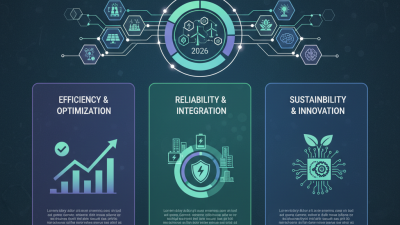
How to Optimize Power Distribution Systems in 2026?
As we look towards optimizing power distribution systems in 2026, the landscape is rapidly evolving. Experts in the industry believe that innovation and adaptability are key. Dr. Angela Smith, a renowned power distribution specialist, once stated, "The future of power distribution lies in our ability to embrace new technologies while ensuring reliability."
The challenges we face today are significant. Aging infrastructure and increasing demand for energy require forward-thinking solutions. Power distribution networks must become smarter and more resilient. One area to consider is the integration of renewable energy sources. This shift can create new complexities that need careful planning and execution.
As we ponder the future, we must also acknowledge the potential pitfalls. Over-reliance on technology can lead to vulnerabilities. Addressing these concerns requires collaboration among stakeholders. Balancing innovation with the dependable service that consumers expect is essential. The optimization of power distribution must therefore be a thoughtful and strategic endeavor.
Current Challenges in Power Distribution Systems
In 2026, power distribution systems face significant challenges that require urgent attention. One pressing issue is the aging infrastructure. A report by the International Energy Agency states that over 70% of power grids in developed nations exceed their expected lifespan. This deterioration leads to frequent outages and safety hazards. The rising demand for electricity compounds the problem, with a projected increase of up to 25% by the end of the decade.
Integration of renewable energy sources also presents a complex challenge. While countries aim for greener systems, the intermittency of solar and wind requires adjustments in distribution networks. A study from the Electric Power Research Institute reveals that 60% of power companies anticipate difficulties in grid stability when integrating renewables. This instability can lead to energy losses and increased operational costs.
Finally, cybersecurity threats loom large. With the digitization of power distribution, the risk of cyber-attacks has surged. According to a recent industry report, about 40% of utilities experienced a security incident in the past year. These vulnerabilities expose critical infrastructure to significant risks. Addressing these challenges demands innovative solutions and strategic investments.
Power Distribution Efficiency Trends in 2026
Technological Innovations Shaping Power Distribution in 2026
As we move closer to 2026, the landscape of power distribution is rapidly changing. Key technological innovations are paving the way for smarter, more efficient systems. One of the most significant advancements is the implementation of
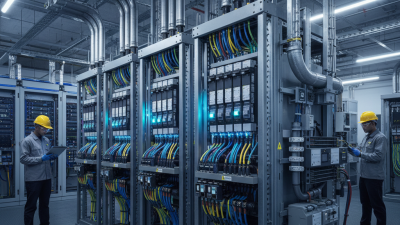
smart grid technology. This allows for real-time monitoring, enabling utilities to manage demand more effectively. Sensors and IoT devices play a crucial role in this transformation, creating a more responsive energy network.
Another promising innovation is the integration of renewable energy sources. As more homes and businesses adopt solar and wind energy, the distribution systems must adapt.
Energy storage solutions are becoming essential for balancing supply and demand. However, integrating these technologies poses challenges. It requires careful planning and investment in infrastructure to avoid inefficiencies and potential failures.
Lastly, artificial intelligence is being utilized to enhance forecasting and maintenance strategies. It can predict energy consumption patterns and optimize distribution routes. While these advancements offer great potential, they also raise concerns about data security and privacy.
Ensuring the reliability and safety of these systems will be paramount as we embrace the future of power distribution.
Strategies for Enhancing Energy Efficiency in Power Distribution
In 2026, optimizing power distribution systems is critical for enhancing energy efficiency. According to the International Energy Agency, energy losses in electrical systems can exceed 10%. Many utilities are now focusing on reducing these losses through smart grid technologies. This includes using advanced monitoring systems that enable real-time data analysis.
Implementing distributed energy resources (DERs) also presents a promising strategy. Studies indicate that integrating DERs can cut down transmission losses by 8 to 12%. These resources allow energy to be generated closer to the point of consumption, which minimizes distribution distances. However, challenges remain. Not all regions have the infrastructure to support widespread DER adoption.
Additionally, energy efficiency programs play a crucial role. The U.S. Department of Energy reports that investing in energy-efficient technology can provide a return on investment of up to 30% over ten years. Yet, the implementation of these programs often faces regulatory hurdles and financial constraints. Overall, while there are effective strategies available, the journey toward enhanced energy efficiency in power distribution is complex and requires ongoing adaptation and commitment from all stakeholders.
Integrating Renewable Energy Sources into Power Grids
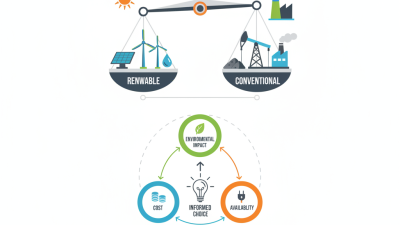
The integration of renewable energy sources into power grids is crucial for optimizing power distribution systems in 2026. According to a report by the International Energy Agency (IEA), renewable energy could account for 60% of total electricity generation by that year. With sources like solar and wind playing a major role, adapting our infrastructure is vital.
One significant challenge is ensuring that grid stability is maintained while increasing the share of renewables. As intermittent energy sources come into play, utilities must adopt smarter grid technologies. Data from the U.S. Department of Energy shows that implementing advanced grid management systems can boost efficiency by up to 30%. This transition involves investing in energy storage solutions and enhancing demand response capabilities.
To effectively integrate renewables, consider these strategies. Start by assessing your existing infrastructure. Identify gaps where modern technology can be applied. Collaborate with local governments and energy experts to develop sustainable frameworks. Engaging communities about the benefits of renewable integration is also key. Misinformation can hinder progress, so clear communication is essential.
While these initiatives are promising, there are areas for improvement. Not all grids are suited for rapid renewable transformations. Each region has unique challenges. Solutions should be tailored rather than applied uniformly. The more we learn, the more we realize that customization and adaptability are crucial for success in optimizing power distribution systems.
Regulatory Frameworks Impacting Future Power Distribution Optimization
Regulatory frameworks are essential for shaping power distribution systems. As we move toward 2026, these frameworks will become increasingly important. Policymakers are prioritizing sustainability and reliability. New regulations will likely focus on integrating renewable energy sources. The challenge is balancing innovation with compliance.
Local governments must adapt to emerging technologies. Regulations may require utility companies to invest in smart grids. These upgrades can enhance efficiency and reduce outages. However, the cost of compliance can be daunting. Smaller utilities may struggle with these financial burdens. Adjusting to regulatory changes demands strategic planning.
Public engagement plays a crucial role in this process. Stakeholders must communicate effectively. Clear guidelines can help ensure a smoother transition. However, misunderstanding regulations can lead to costly delays. Continuous education and collaboration among industry players are vital. Power distribution systems will evolve, but regulatory frameworks must keep pace. The future depends on a cohesive approach that values both expertise and adaptability.
 Skip to content