Top Power Switch Types Explained for Efficient Energy Management?
In today's world, efficient energy management is crucial. A power switch plays a key role in this process. It regulates the flow of electricity in various devices. Understanding different types of power switches can help maximize energy efficiency.
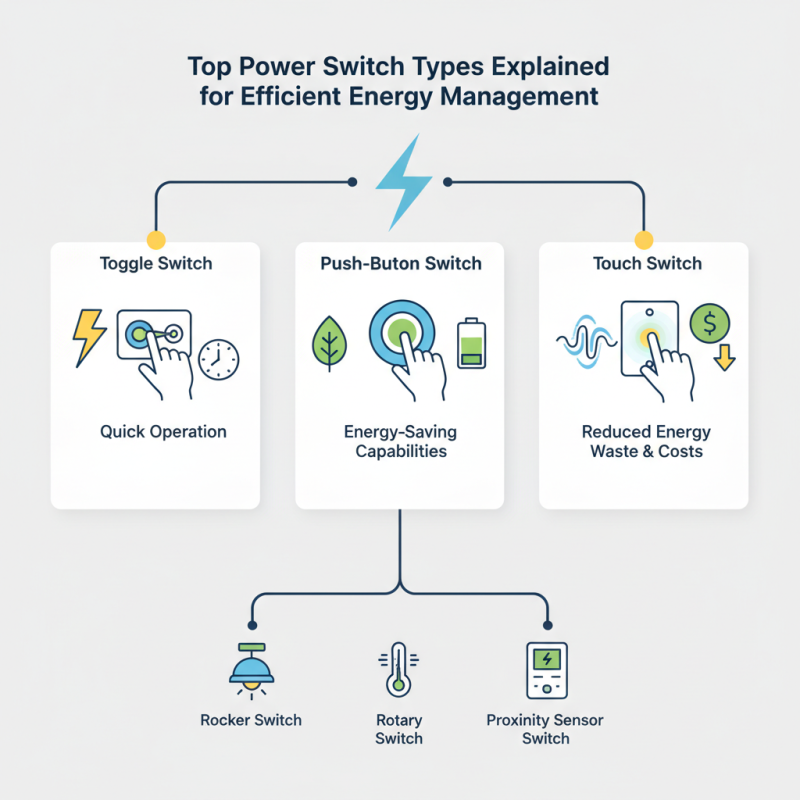
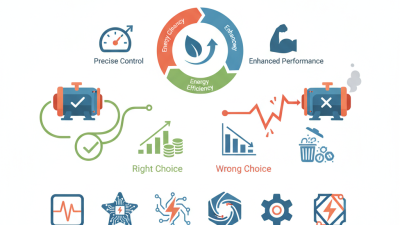
There are many power switch types available. Each has its unique features and benefits. Some switches are designed for quick operation, while others prioritize energy-saving capabilities. Choosing the right power switch can have a significant impact on energy consumption.
However, many users are unaware of the differences among these switches. This lack of knowledge can lead to inefficient energy usage. It’s important to explore each type and consider its real-world applications. The right choice can make a difference in reducing energy waste and costs. As we delve into these options, reflecting on their effectiveness is essential for better management.
Types of Power Switches and Their Functions in Energy Management
Power switches are critical for efficient energy management. They control the flow of electricity, impacting energy consumption. Different types of switches serve unique functions, such as mechanical, electronic, and smart switches. Mechanical switches exist in homes and buildings, often using physical mechanisms to open or close circuits. They are simple but sometimes inefficient. In fact, research shows that mechanical switches can waste up to 10% of electricity due to resistance.
Smart switches have gained popularity for enhancing efficiency. These devices can be programmed to operate during off-peak hours, reducing energy costs. According to industry reports, integrating smart switches can lead to a 15-20% reduction in energy use. These technologies can provide data insights, allowing for informed decisions about energy management. However, they do come with higher initial costs, which can be a barrier to widespread adoption.
Tips: To maximize energy management, consider upgrading to smart switches. They offer better control and monitoring options. Regular maintenance of all switch types is crucial. Faulty switches can lead to increased energy consumption and safety hazards. Regular checks can prevent these issues and ensure efficient operation.
Understanding Mechanical Power Switches: Benefits and Limitations
Mechanical power switches play a crucial role in energy management. They provide a way to control the flow of electricity effectively. Their design typically involves moving parts, which can lead to wear and tear over time. This deterioration can affect their reliability. Users might not realize that frequent switching can result in failure.
On the positive side, mechanical switches offer several benefits. They are simple to use and often have a tangible feel when engaged. This feedback is satisfying and can instill confidence in the user. However, they are not without limitations. For instance, they may not always provide precise control over power levels. This can be a drawback in applications requiring meticulous energy management.
Additionally, the limitations of mechanical switches can lead to energy waste. If a switch fails to operate efficiently, wasted power can add up. It is crucial for users to monitor their performance regularly. Regular maintenance can prolong their lifespan, but many overlook this important step. Understanding these aspects can help users make informed decisions about their energy management strategies.
Exploring Electronic Power Switches: Efficiency and Applications
Electronic power switches play a crucial role in today's energy management systems. These devices help control the flow of electricity in various applications, from small gadgets to large industrial machinery. Common types include MOSFETs, IGBTs, and Thyristors. Each type serves different needs based on efficiency, speed, and operational limits.
For example, MOSFETs are known for their fast switching capabilities. They are widely used in consumer electronics and renewable energy systems. However, their performance can degrade at high temperatures. On the other hand, IGBTs combine the benefits of MOSFETs and bipolar transistors. They excel in high-voltage applications but may require complex drive circuits.
Choosing the right switch type can be challenging. Factors like cost, efficiency, and application requirements need careful consideration. Sometimes, the best choice is not the most popular one. Engineers must evaluate their specific needs and possibly reconsider their initial selections. This reflection can lead to more effective energy management and sustainability in design.
Top Power Switch Types Effectiveness in Energy Management
Comparative Analysis of Manual vs. Automatic Power Switches
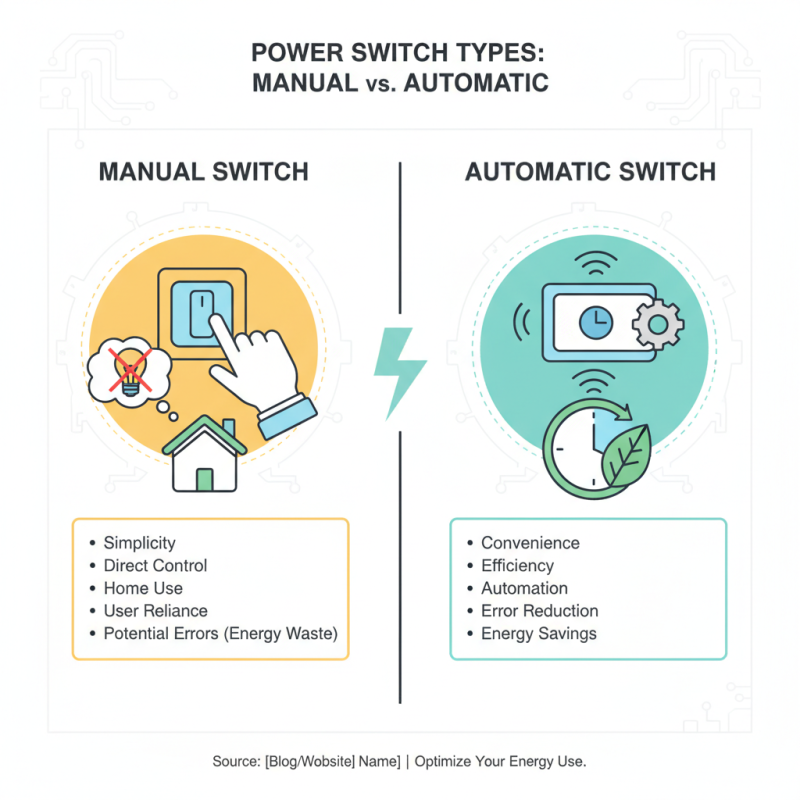
When considering power switch types, the choice between manual and automatic switches is crucial. Manual switches offer simplicity and direct control. Users can turn devices on or off at will. This can be beneficial in a home setting where manual intervention is manageable. However, reliance on users implies potential errors. Forgetting to turn a switch off can waste energy.
Automatic switches, on the other hand, promise efficiency. They can detect when devices are not in use and cut power. This helps save energy, especially in commercial settings. Yet, they can be overly sensitive, shutting off essential devices. Sometimes, settings might need adjustment, leading to frustration. There’s a balance to be found between convenience and control. It’s not always clear which option works best in every scenario, prompting a need for evaluation.
Implementing Smart Power Switches for Modern Energy Solutions
In today's energy landscape, smart power switches are essential for an efficient energy management system. These devices allow for real-time control of energy consumption, improving overall efficiency. By integrating them into modern energy solutions, users gain better insight into their power usage. This can lead to substantial electricity savings over time.
Tips: Regularly monitor your energy reports. Understand which appliances consume the most power. This knowledge guides smarter choices.
Smart switches can optimize performance but come with challenges. Some users may struggle with setting them up. Others may be unsure of how to use their features fully. It's crucial to take the time to learn their functionalities.
Tips: Explore online tutorials or forums for insights. Document your experiences to track improvements regularly. Engaging with like-minded users can enhance your understanding efficiently.
 Skip to content