Top 10 Electric Power Distribution Systems You Should Know?
Electric power distribution is a crucial aspect of energy management. According to the International Energy Agency (IEA), around 80% of global electricity is delivered through distribution systems. These systems ensure that power reaches homes and businesses efficiently. However, many distribution systems are aging. A report from the U.S. Department of Energy indicates that nearly 70% of lines in use are past their designed life span. This raises concerns about reliability.
Investing in modern electric power distribution infrastructure is essential. New technologies can enhance efficiency and reduce outages. For example, smart grids facilitate real-time monitoring and management of electricity flow. Additionally, studies show that integrating renewable energy sources into distribution networks can lower costs and improve sustainability. However, challenges remain. Many regions struggle with outdated equipment and insufficient investment.
Understanding the top electric power distribution systems is vital for industry professionals. Each system has its unique attributes and challenges. Learning from successful implementations can guide future improvements. Ultimately, ongoing evaluation of these systems is necessary. A proactive approach can lead to safer, more resilient electric power distribution networks.
Overview of Electric Power Distribution Systems
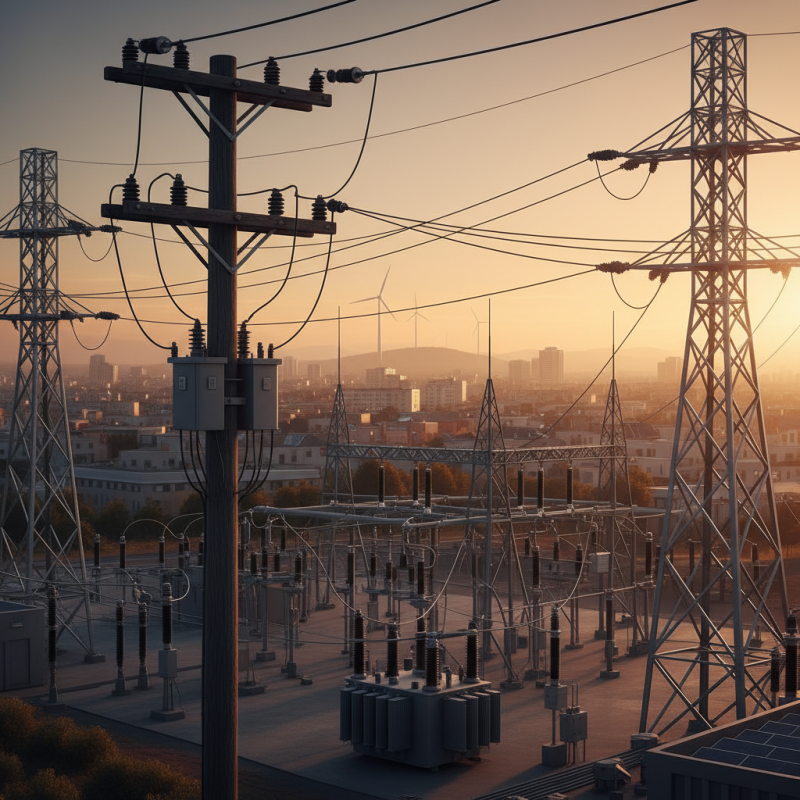
Electric power distribution systems are crucial for delivering electricity to homes and businesses. These systems transform high-voltage power from substations into lower voltages suitable for use. The network includes transformers, circuit breakers, and various lines. Each component plays a vital role in ensuring a reliable power supply.
One major aspect of electric power distribution is the variety of configurations used worldwide. The radial system is quite simple but can lead to outages affecting many users. The loop system, on the other hand, offers redundancy, allowing power to be rerouted. However, it can be complicated and costly to maintain. Each system has unique advantages and challenges, requiring careful planning and adaptation.
Safety is paramount in electric power distribution. Technicians must consider potential hazards like equipment failure or extreme weather events. Regular maintenance helps mitigate risks, but unexpected issues may still arise. A well-designed power distribution system is not just about efficiency; it's also about resilience in the face of uncertainties. Balancing these factors is essential for sustainable energy delivery.
Top 10 Electric Power Distribution Systems
Key Components of Electric Power Distribution Networks
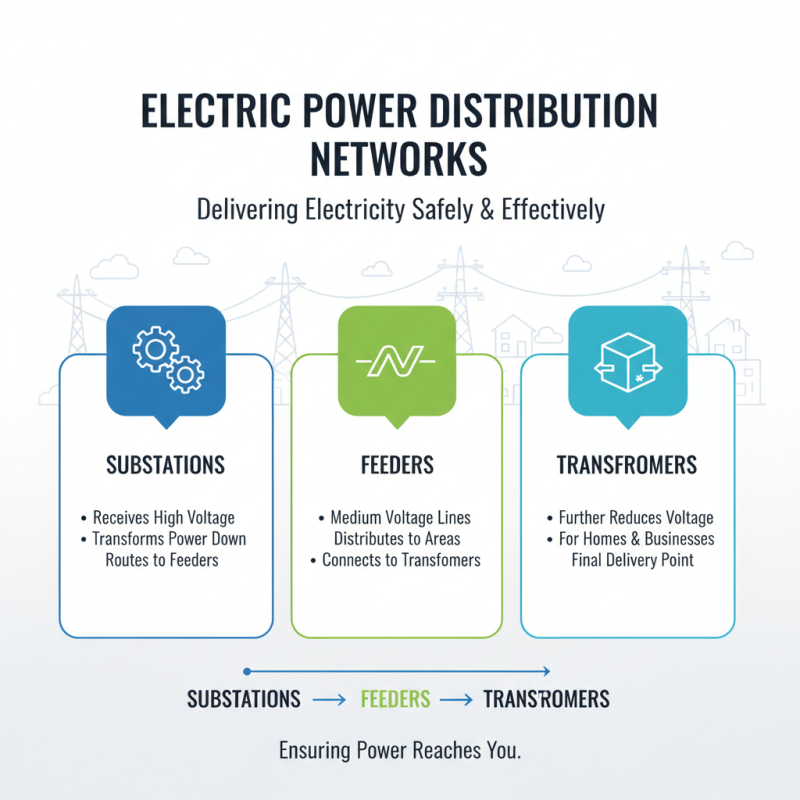
Electric power distribution networks are complex systems. They ensure that electricity reaches homes and businesses safely. Key components in these networks include transformers, feeders, and substations. Each plays a vital role in the effective delivery of power.
Transformers adjust voltage levels. This ensures electricity can be transmitted efficiently over long distances. Dead ends can occur if transformers are not effectively placed. Feeders distribute electricity along various routes. They branch out to connect with local users. If a feeder fails, entire neighborhoods can lose power.
Substations act as central hubs in the network. They transform high voltage to lower levels, making it safe for use. However, their maintenance is often overlooked. This neglect can lead to unexpected outages. Balancing cost and reliability remains a challenge. Understanding these components highlights both the effectiveness and the fragility of the distribution system.
Types of Electric Power Distribution Systems
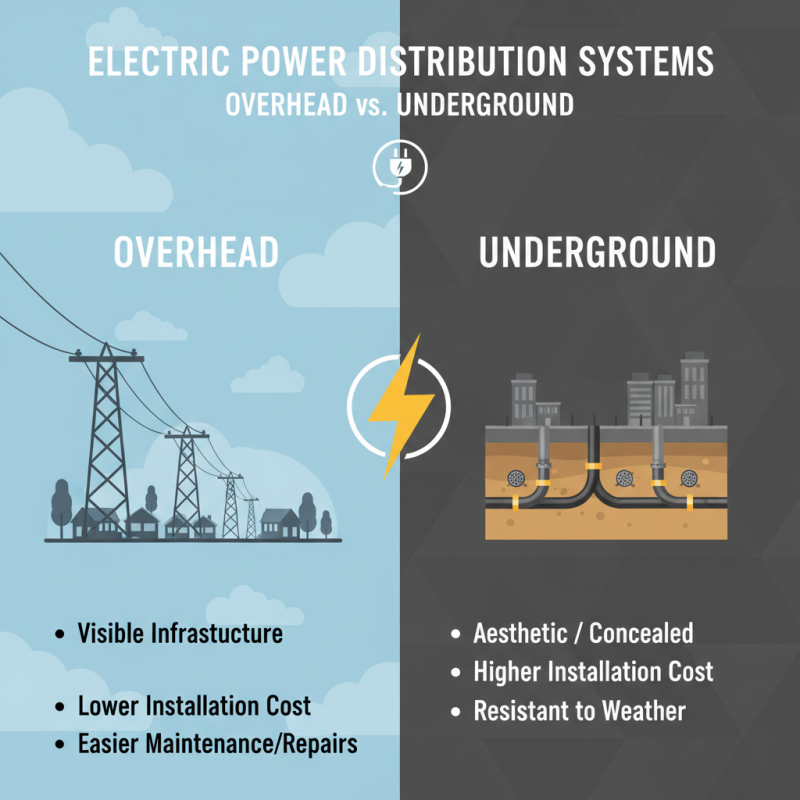
When discussing electric power distribution systems, it's essential to understand their various types. The distribution system connects the main power supply to end-users, ensuring reliable electricity supply. Broadly, these systems can be classified into overhead and underground types.
Overhead power distribution systems are common in many areas. They are cost-effective and easier to maintain. However, they face challenges like heightened vulnerability to weather events. According to a report by the Electric Power Research Institute, these systems cause outages more frequently than their underground counterparts. In contrast, underground systems offer increased reliability but come with higher installation costs. They protect against weather, reducing outage durations, yet they still encounter issues, particularly with water infiltration and soil erosion.
Another classification is based on voltage levels. Low-voltage distribution networks serve residential areas, while medium-voltage networks support commercial or industrial zones. Reports indicate that globally, low-voltage networks comprise about 70% of electrical distribution. This emphasizes their critical role. However, upgrading these systems is complex and often neglected. Infrastructure investment remains crucial to meet growing energy demands and improve service reliability. Balancing cost-efficiency and reliability is a constant struggle for utilities worldwide.
Emerging Technologies in Electric Power Distribution
The electric power distribution landscape is changing rapidly. Emerging technologies are reshaping how electricity reaches consumers.
Smart grids are at the forefront. They use digital technology to monitor and manage energy flows. This leads to improved efficiency and reduced outages.
Energy storage systems are increasingly common. They help balance supply and demand in real-time.
These systems store excess energy for later use. However, not all locations are ready for such technologies. There may be infrastructure challenges. Some areas have outdated lines that limit modern solutions.
Tips: Investing in training is essential. Workforce knowledge needs to align with new technologies. Everyone should be on the same page. Also, consider community energy management systems. They empower users and promote sustainable energy practices. Not every solution fits every area. Flexibility and adaptability are key.
Challenges and Solutions in Power Distribution Systems
Power distribution systems face numerous challenges. Aging infrastructure leads to inefficiencies. Many systems are not designed to handle modern energy demands. This can cause outages and chronic reliability issues. Weather events often damage vulnerable lines. The result? Extensive downtime for consumers.
To address these issues, upgrading technology is essential. Smart grid solutions can enhance monitoring and control. They provide real-time data to optimize performance. However, implementing these systems is costly. Not all utilities can afford such innovations. Training personnel also adds complexity to the process.
Cybersecurity is another critical topic. Increased digitization exposes systems to potential threats. Many companies struggle to protect their networks. A breach could disrupt power supply for millions. Strategies must evolve continually to combat these risks. Balancing investment and risk is vital for future stability.
Top 10 Electric Power Distribution Systems
| System Type |
Capacity (MW) |
Voltage Level (kV) |
Key Challenges |
Proposed Solutions |
| Grid Connected Systems |
500 |
110 |
Voltage Fluctuations |
Implement Voltage Regulation |
| Microgrids |
100 |
34.5 |
Integration with Renewables |
Smart Grid Technology |
| Distributed Generation Systems |
250 |
22 |
Load Balancing |
Load Forecasting Tools |
| Utility Distribution Systems |
1000 |
33 |
Outages |
Automated Fault Detection |
| Smart Distribution Networks |
600 |
138 |
Cybersecurity Threats |
Enhanced Security Protocols |
| Substation Automation Systems |
200 |
66 |
Delayed Failures |
Real-time Monitoring |
| High Voltage Distribution Systems |
800 |
220 |
Equipment Aging |
Regular Maintenance Schedules |
| Underground Distribution Systems |
450 |
34.5 |
Access and Repair Issues |
Improved Access Technology |
| Remote Power Systems |
50 |
11 |
Fuel Supply Issues |
Alternative Fuel Sources |
| Renewable Energy Integration Systems |
750 |
500 |
Intermittent Supply |
Energy Storage Solutions |
 Skip to content